The gap
Between concern and crisis
Most online moments aren't emergencies — but they aren't nothing. Today there is very little help for what sits in between.

WELCOME TO SAFECAMP
Whether it's a message, a screenshot, a gaming conversation or something that simply doesn't feel right, SafeCamp helps you slow the moment down, understand what you're seeing and decide what to do next through calm, structured guidance.
We don't replace your judgement.
We help you move forward with greater clarity and confidence.
Private by design • Parent-centred • Human help signposted whenever needed

Why SafeCamp exists

The gap
Most online moments aren't emergencies — but they aren't nothing. Today there is very little help for what sits in between.
The weight
Parents second-guess themselves, wait too long, or overreact — not through carelessness, but because context is hard to see.
The intent
SafeCamp is built to steady the parent, not to police the child. Trust at home is part of the safeguarding.
How SafeCamp works

A message, a screenshot, a situation described in your own words. Nothing technical, no jargon.
You get a calm, structured read of the context — what it likely is, what it likely isn't, and what still needs a human eye.
Practical options, gentle language to use with your child, and clear routes to professional help when the situation calls for it.
See SafeCamp in action
A parent might share
"My 9-year-old has been receiving game credits from someone online. I'm not sure who is sending them or whether I should be worried."
SafeCamp starts with what you know — without assuming what it means.
Receiving gifts or game credits can feel exciting and special to a child. It may simply be part of an online interaction, but it can also be worth understanding who is sending them, why, and how your child feels about it.
SafeCamp separates what you've shared from what still needs understanding.
Guidance level
Worth understanding
This situation does not automatically mean something harmful is happening. It does, however, benefit from calm exploration so you can understand the context more clearly.
SafeCamp helps you respond to the situation in front of you — without jumping straight to the worst conclusion.
Understanding is useful when it leads to something you can actually do.
Sometimes the hardest part is knowing how to ask without making your child feel accused, frightened or in trouble.
Try saying
"I noticed someone has been sending you game credits. Can you tell me about who they are and what you think about it?"
SafeCamp doesn't only help you think about the situation. It helps you find a way into the conversation.
In this example, it isn't yet clear who the sender is or how the child feels about receiving the gifts. A calm conversation could help clarify both.
SafeCamp makes room for uncertainty rather than filling the gaps with assumptions.
SafeCamp also helps parents recognise changes that may make additional support appropriate.
When appropriate, SafeCamp can point parents towards relevant safeguarding or professional support.
Explore the review in more detail
You can stay with the essentials or explore the reasoning in more detail when you need more context.
You can continue talking with SafeCamp about the same check-in if you want to understand it more deeply.
The conversation stays connected to the check-in, so you don't have to start the context again.
One check-in can help with one moment. Over time, saved reviews can help you notice whether similar themes, questions or changes are appearing again.
SafeCamp Reflection helps bring that history into view, so previous moments can add context to the one you're thinking about now.
Not every concern means something is wrong. Some are simply worth understanding. SafeCamp gives you a thoughtful place to begin.
Why families trust SafeCamp
Your family's context stays yours. We collect the minimum needed to help.
Shaped alongside people who do this work every day, not in isolation from them.
We refuse fear-based design. Clarity is the outcome we optimise for.
SafeCamp knows its edges and points to the right professional support when needed.
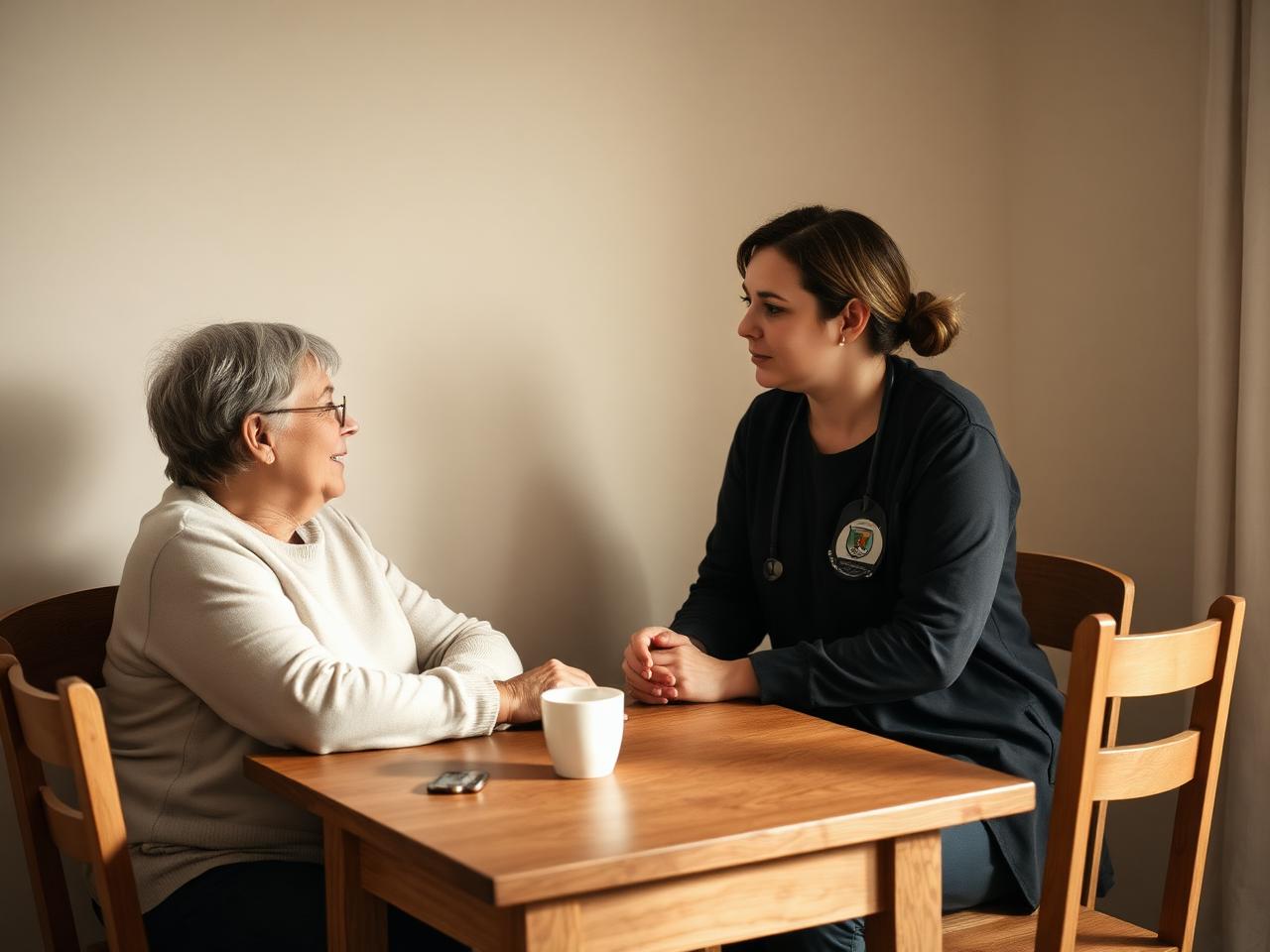
A Letter to Every Parent
A note from our founders

SafeCamp didn't begin with a business plan. It began with conversations at home.
Like many parents, we found ourselves facing moments that didn't come with clear answers. A message that felt unusual. A screenshot we couldn't quite interpret. A change in behaviour that was difficult to explain. None of these moments looked like obvious emergencies, yet none of them felt comfortable to ignore.
We discovered that modern parenting had quietly changed. Our children's friendships, conversations, learning, entertainment and identities increasingly unfold through digital spaces. Yet when something online doesn't feel right, many parents are left with the same difficult questions.
Am I overreacting?
Am I missing something important?
What should I do next?
As parents ourselves, we searched for support that could help us understand these moments with confidence and perspective.
We found many excellent tools that help parents manage technology. They can filter inappropriate content, monitor screen time, manage devices and provide valuable information about a child's digital activity. These tools play an important role in helping families stay safe online.
But we also discovered something they were never designed to do. They could tell us what happened. They couldn't always help us understand what it meant.
A notification can tell you your child spent hours on a device. It cannot explain whether those hours were spent learning, creating, building healthy friendships or becoming involved in conversations that deserve a closer look.
A monitoring dashboard can tell you that a new application was installed. It cannot explain the context, relationships or emotions behind those interactions.
A screenshot captures a moment. It rarely tells the story.
We realised the greatest challenge for many parents is no longer access to information. It is making sense of that information. Technology has become remarkably good at collecting data. Parenting still depends on understanding context.
That is where SafeCamp was born.
We are not building a platform to monitor children. We are building one to support parents. We believe technology should strengthen parental judgement, not replace it.
Not to create fear. Not to encourage suspicion. Not to tell parents what to think. But to help families slow difficult moments down, organise what they already know, identify what deserves closer attention and approach conversations with greater confidence, empathy and clarity.
Our professional backgrounds in healthcare, public health and community wellbeing taught us the importance of combining evidence with human judgement. Parenting deserves the same support.
SafeCamp exists because we believe families should have access to calm, responsible guidance before uncertainty becomes crisis.
We also believe safeguarding has never been the responsibility of one person alone. It grows stronger when parents, educators, healthcare professionals and communities work together.
This philosophy shapes every decision we make. Every feature. Every recommendation. Every design choice.
Our commitment is simple. We will always choose:
Thank you for trusting us.

Our Promise
Every decision we make at SafeCamp is guided by five simple principles.
We make difficult situations easier to understand.
We rely on thoughtful analysis rather than guesswork or fear.
We help parents think clearly during uncertain moments.
We exist to strengthen parental judgement, not replace it.
Every product decision begins with what is best for children and families.
SafeCamp is still at the beginning of its journey. We know we will not have every answer from day one, but we are committed to listening, learning and improving alongside the families and professionals who place their trust in us. If SafeCamp can help even one parent feel less alone in an uncertain moment, then we believe we are building something worthwhile.
Our vision
A world where no parent has to face an uncertain online moment on their own.
SafeCamp exists to make thoughtful safeguarding decisions feel possible — for every family, in every home, at the moment it matters.

Frequently asked questions
No. SafeCamp is not designed to monitor children or replace parental controls. Parental control tools can help parents manage devices, screen time and access. SafeCamp helps parents understand uncertain online situations and decide what to do next.
No. SafeCamp supports parental judgement and signposts human help when needed.
For the early version, SafeCamp aims to make it easy to begin with minimal friction. Some features may require an account later.
Messages, screenshots, gaming conversations, online friendships, photo requests, sudden behaviour changes, privacy concerns and other uncertain online moments.
SafeCamp is currently being developed and refined. Parents can join as Founding Families to help shape the platform.
SafeCamp is built with privacy by design. We collect only what is needed and encourage parents not to submit unnecessary identifying information.
Do not wait for SafeCamp. Contact emergency services or the appropriate safeguarding authority immediately.

Start your SafeCamp review
Bring the situation. We'll bring the calm, the structure, and a considered next step.
Prefer to write? info@safecamp.co.uk